
Home /
Safari Zones in Ranthambore
The Zones of Ranthambore
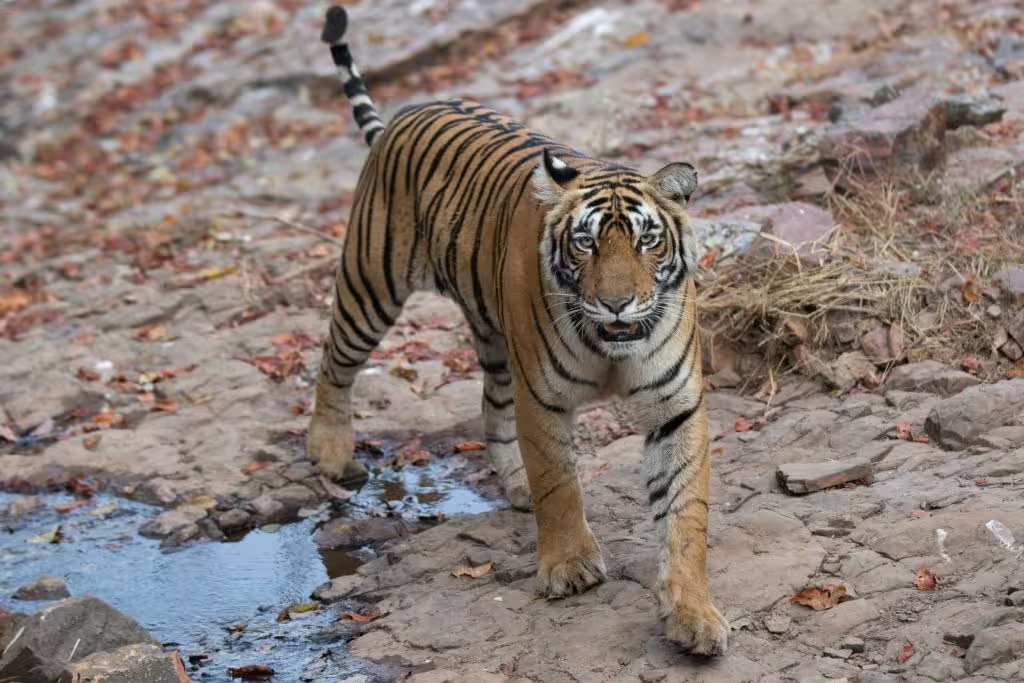
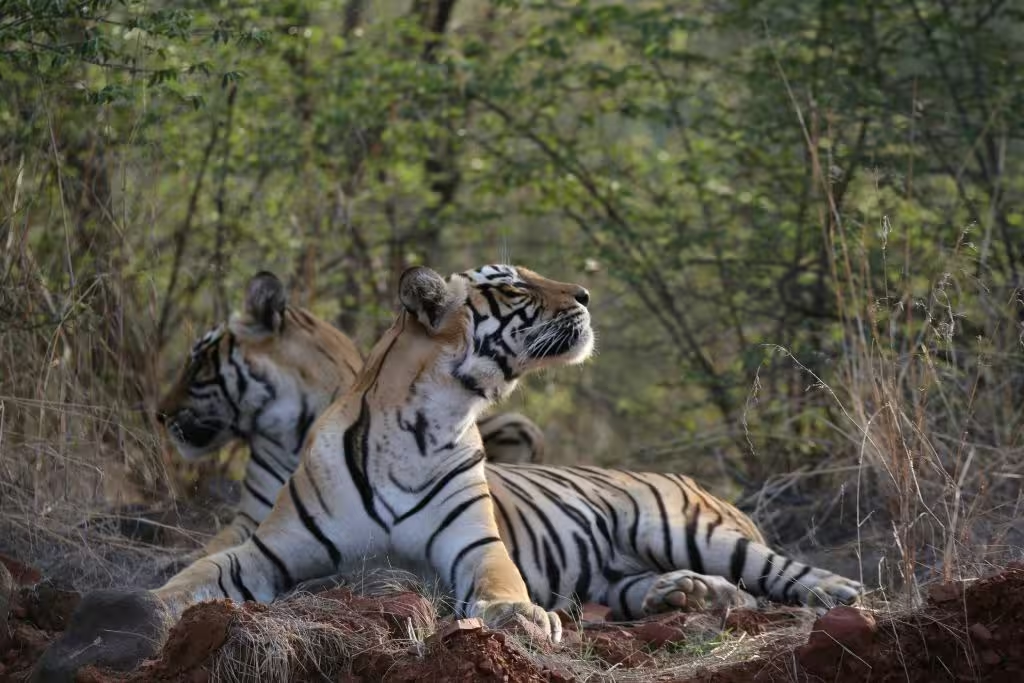
Ranthambore National Park is divided into 10 official safari zones, each offering unique landscapes, famous tiger territories, and diverse wildlife experiences.
The first five zones form the core area, while the remaining five are buffer zones known for scenic and peaceful drives.
Core Zones of Ranthambore
Zone 1
Famous for its rugged terrain and resident tigers like Noor (T-39) and Sultan (T-72). Includes the Tuti Ka Nalla water area, which attracts many animals.
Zone 2
One of the busiest wildlife routes, known for frequent tiger sightings, water points, lakes, and mixed forests. Considered one of the highest tiger density zones in Ranthambore.
Zone 3
Home to Padam Talab, Rajbagh, and Malik Talab. Ruled by tigers like Arrowhead and Riddhi. A paradise for photography, fort views, and lakeside sightings.
Zone 4
Features deep valleys, fort walls, and dense forest tracks. Dominated by the Riddhi–T19 family line. Strong and stable tiger presence.
Zone 5
Similar to Zone 4 but with more open grasslands. Offers steady tiger movement and is ideal for first-time safari visitors.
Buffer Safari Zones of Ranthambore
- Zone 6 (Kundal) : Open meadows and scenic hill landscapes. Connected to core corridors, resulting in good tiger movement. Less crowded and excellent for photography.
- Zone 7 (Chidikho) :A peaceful, rocky zone with an off-road feel. Perfect for quiet, immersive wildlife drives with fewer tourists.
- Zone 8 (Balas) : A raw, rustic forest area with sightings of shy and elusive tigers. One of the least explored zones, ideal for a peaceful safari.
- Zone 9 (Qual Ji / Kuwal Ji) : Dry, rocky terrain ideal for spotting leopards, hyenas, sloth bears, and shy species. Known for real wilderness and river-belt birdlife.
- Zone 10 (Aantri) : Known for vast landscapes, lakes, birdlife, and steadily increasing tiger activity. Very scenic and perfect for landscape photography.
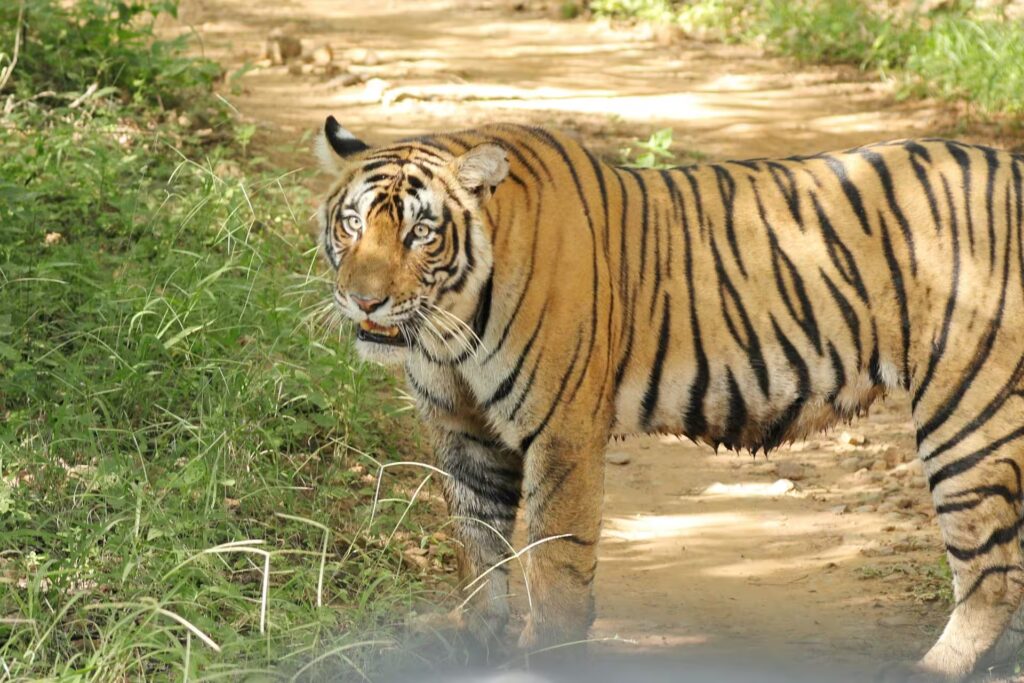
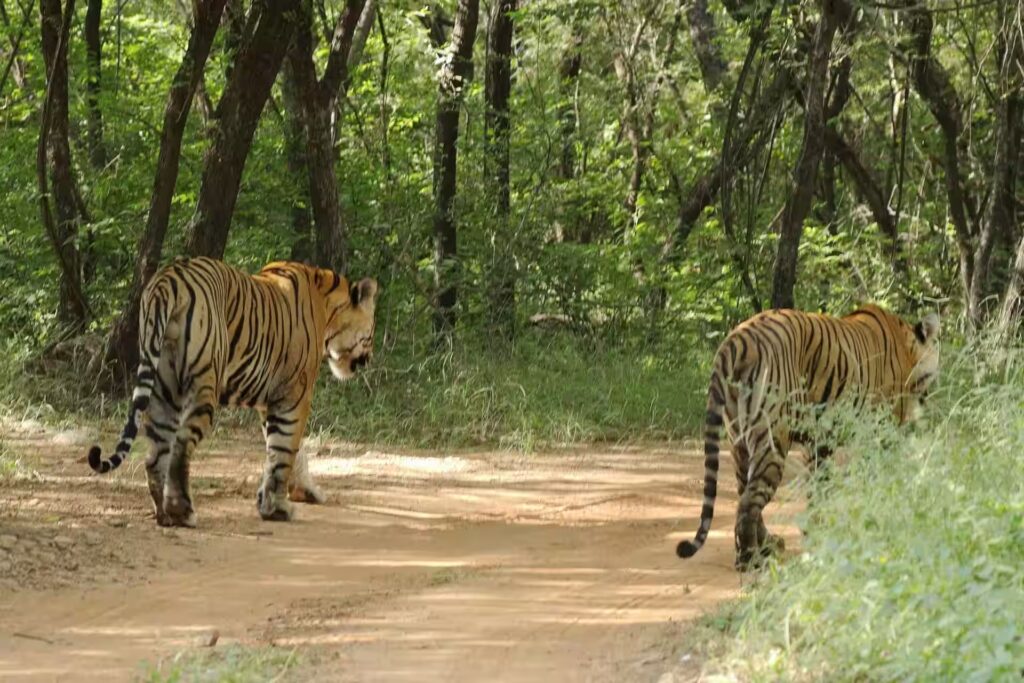
Summary for Visitors
- Best for Tiger Sightings : Zone 2, Zone 3, Zone 4
- Best for First-Time Visitors : Zone 3, Zone 5
- Best for Photography : Zone 1, Zone 3, Zone 6
- Best for Peaceful Drives : Zone 6, Zone 7, Zone 8, Zone 9, Zone 10
- Best for Budget-Friendly Safaris : All buffer zones (Zone 6 - 10)
Ranthambore Best Selling Packages
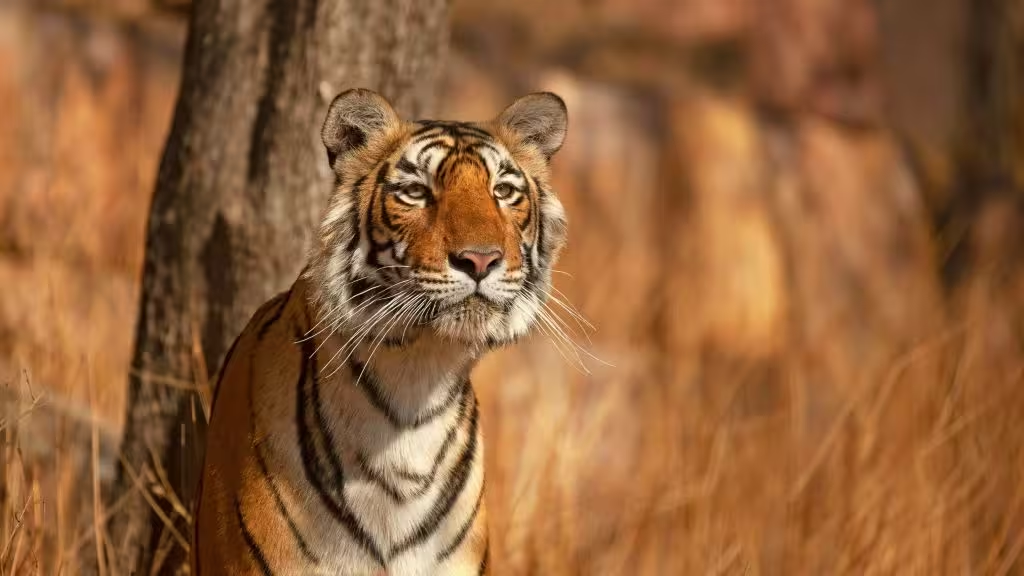
2 Nights / 3 Days
Ranthambore Weekend Safari
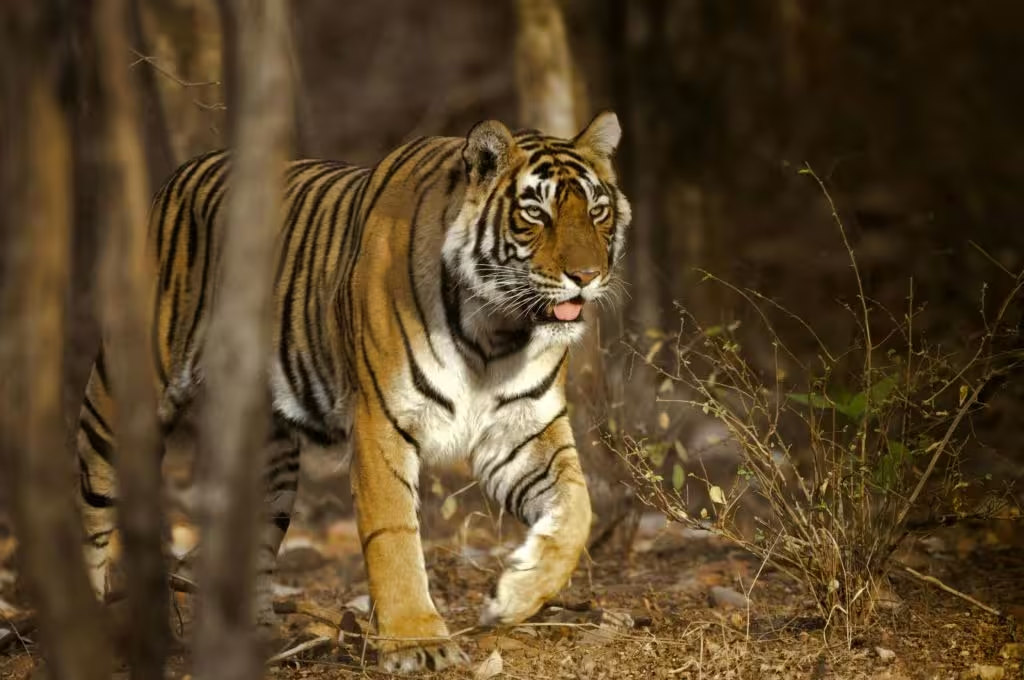
3 Nights / 4 Days
Ranthambore Budget Tour
6 Nights / 7 Days
Ranthambore & Corbett Safari
7 Nights / 8 Days
Ranthambore & Bandhavgarh Safari
FAQs - Ranthambore National Park
Which zone is best for tiger sightings?
Zone 2, Zone 3, and Zone 4.
Which zone is ideal for first-time visitors?
Zone 3 for lakes, fort views, and active wildlife.
Are buffer zones good for safaris?
Yes, buffer zones offer excellent sightings with fewer crowds.
Can I choose multiple zones?
Yes, you can book different zones on different days for a richer experience.
Are night safaris allowed?
No, night safaris and walking trails are not permitted.
When is the park open?
October to June (closed during monsoon).