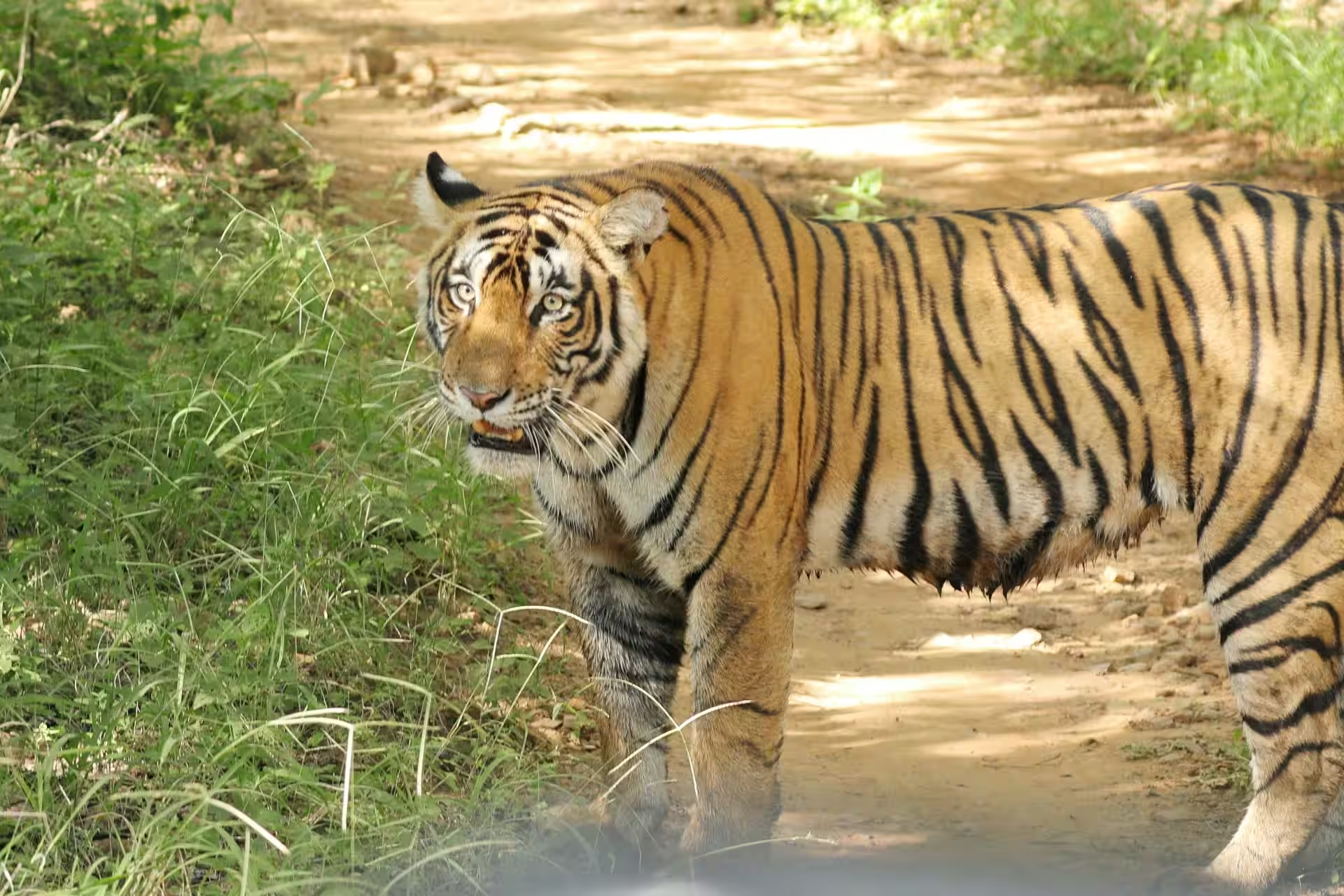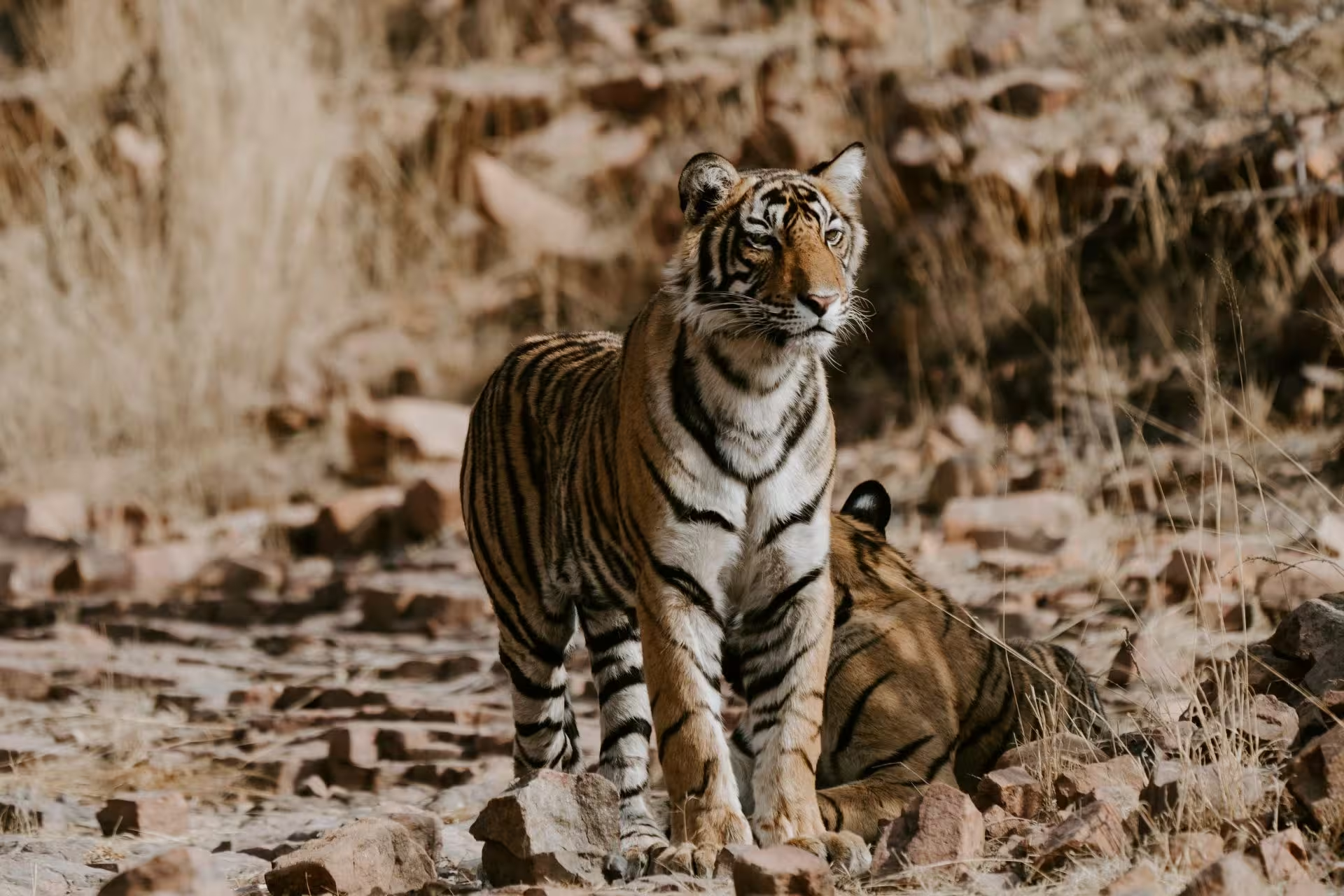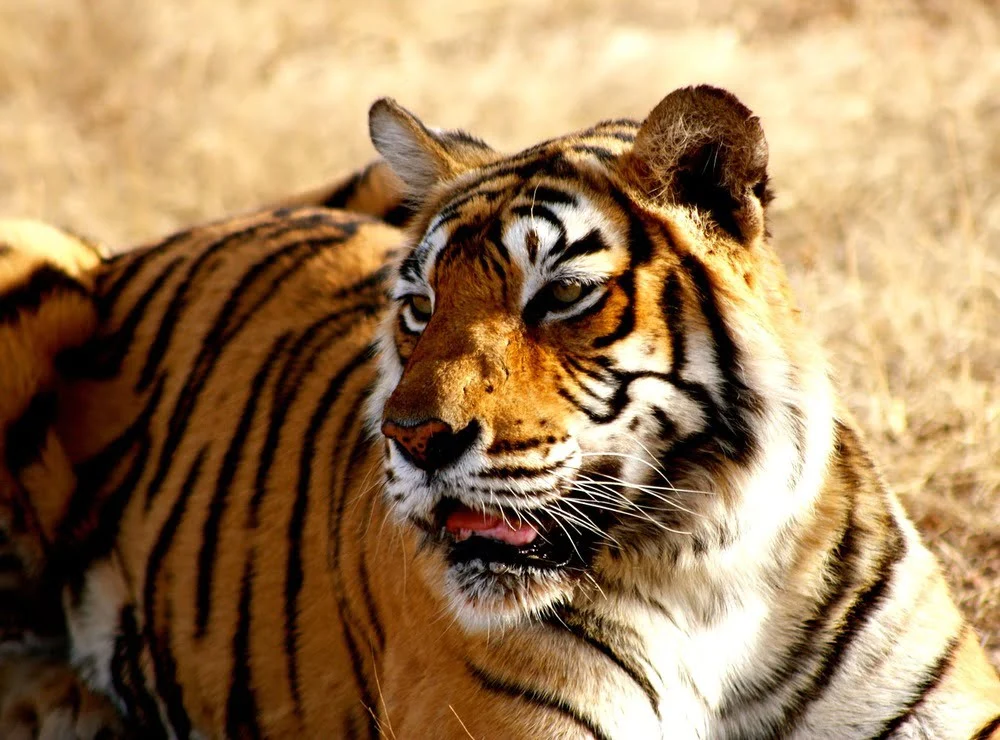
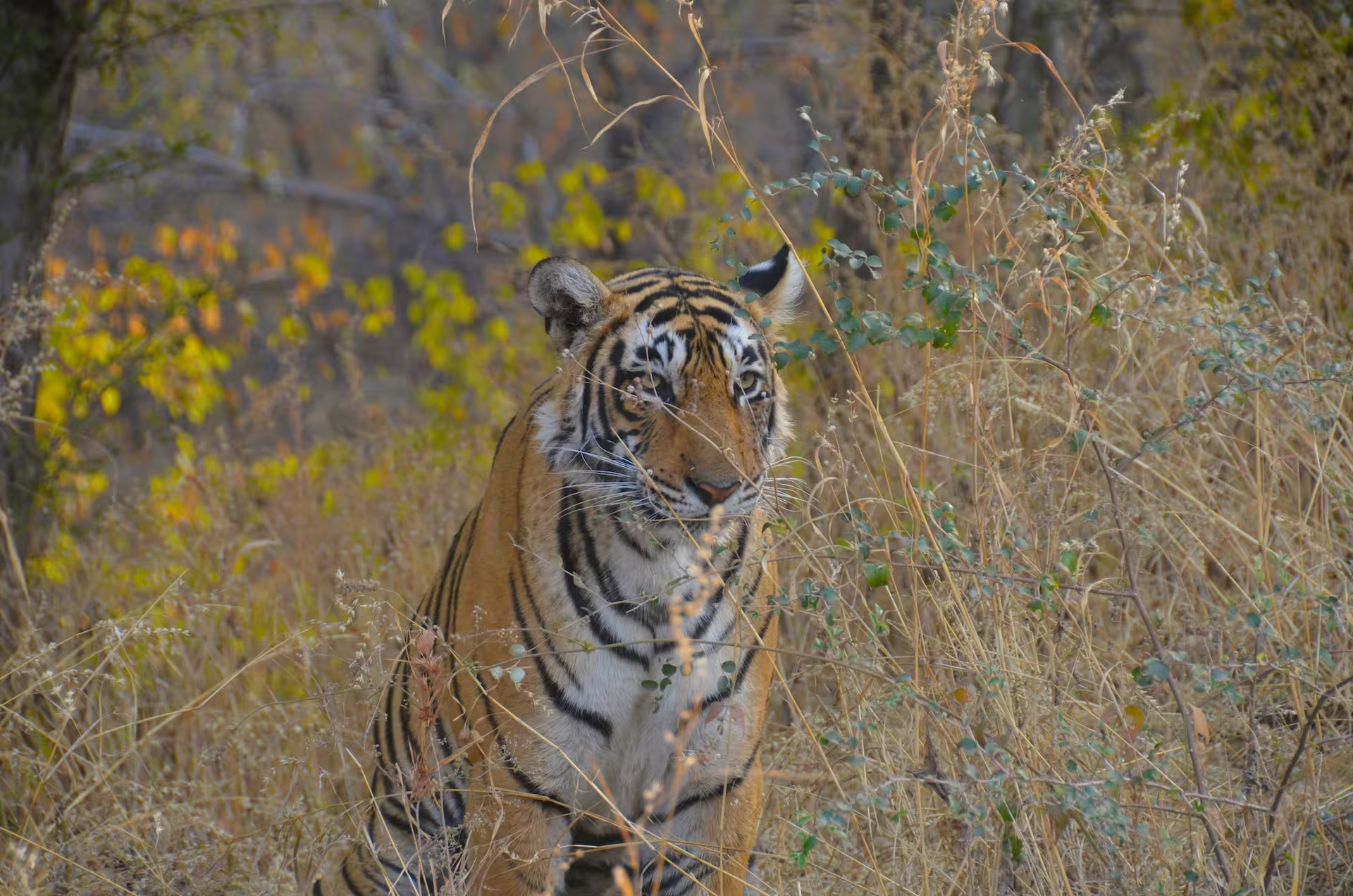
Rani Machli - often simply called Machli - is the most famous tigress ever to walk the forests of Ranthambore. She was not just a well-known tiger. She became a global wildlife icon and played a defining role in shaping Ranthambore's reputation as one of the best places in India to see wild tigers.
Why She Was Called Machli
Machli means fish in Hindi. She earned the name because of a fish-shaped mark near her left eye, and it suited her in more ways than one. She was drawn to water in a way that set her apart from most tigers - dominant around the lakes of the park, comfortable hunting near and in water, and almost always found close to the lake areas that defined her territory.
She later became known as Rani Machli - the Queen of Ranthambore - and the title was not given lightly.
Her Territory
Machli ruled the lake areas of Padam Talao, Rajbagh Talao, and Malik Talao for the better part of two decades. These scenic water bodies, framed by ruins and open grassland, became synonymous with her presence.
Many of the most iconic tiger photographs ever taken in Ranthambore - especially those near the Rajbagh fort ruins - feature her. She made those landscapes famous, and those landscapes made her easier to find than almost any wild tiger in India had ever been before.
Why She Became Legendary
Machli's boldness around safari vehicles was unusual even by Ranthambore standards. She was comfortable with the presence of gypsies and canters in a way that allowed visitors and photographers to observe her natural behaviour at close range without causing any visible disturbance. This proximity, over years and hundreds of visits, gave the world a window into wild tiger behaviour that would have been impossible with a more cautious animal.
The moment that defined her globally was a confrontation with a large mugger crocodile near the lake. She fought it, killed it, and the photographs and footage that emerged from that encounter spread worldwide. For many people outside India, that single event was their introduction to Ranthambore and to Machli herself.
Beyond the drama, she was an exceptional mother. She raised multiple successful litters across her lifetime and established one of the strongest tiger lineages in the park's history. Many of the tigers currently living and breeding in Ranthambore trace their ancestry directly back to her. Her genetic legacy is, in a very real sense, still walking those forests.
She also simply lived longer than wild tigers are supposed to. Reaching around nineteen years of age in the wild is remarkable for any large predator. She remained dominant for most of that time, which is a different kind of remarkable entirely.
What She Did for Ranthambore
Before Machli, Ranthambore was known within India as a solid tiger destination. During her peak years, it became something else entirely.
Safari demand increased in ways the park had not previously seen. Wildlife photographers travelled from across the world specifically for the chance to photograph her. International wildlife documentaries featured her story and brought Ranthambore into living rooms on every continent. She became the face of Indian tiger conservation at a time when that conservation story needed a face people could connect with.
The tourism she generated funded infrastructure, supported local communities, and gave the forest department resources and attention that benefited every animal in the park, not just her.
Her Final Years
In her later years, Machli lost most of her teeth and could no longer take down large prey. She adapted, as tigers tend to, and the forest department monitored her closely without intervening in her natural life. She was allowed to live on her own terms in the forest she had dominated for so long.
She passed away in 2016. The response from wildlife conservationists, photographers, naturalists, and ordinary visitors who had followed her story for years said everything about what she had meant to people far beyond Ranthambore.
Why Rani Machli Still Matters
If you visit Ranthambore today, you are experiencing a park that she shaped.
Many of the dominant females currently holding territory in the core zones descend from her lineage. The lake areas she ruled remain the most sought-after safari zones in the park. Her story is still the first thing many guides tell visitors who ask about the history of the tigers here.
She was not just a tiger sighting. She was a personality - one that guides, naturalists, and photographers who spent years watching her will describe with the kind of detail and affection usually reserved for people they knew well.
For anyone serious about understanding what Ranthambore is and why it matters, Rani Machli is where that story begins.