Summer in Ranthambore is intense. The heat is real. The landscape turns dry and golden. Water sources shrink. And this is exactly why many serious wildlife travellers choose this season.
If you are planning a summer safari in Ranthambore National Park, here is what you should realistically expect.
The Heat Is Strong
From April to June, daytime temperatures regularly cross 40°C. Ranthambore is more open than forest-heavy parks like Kanha or Bandhavgarh, which means less canopy cover and more direct sunlight throughout the drive.
Morning safaris are considerably more comfortable than afternoon ones. Light cotton clothes, a cap, sunglasses, and enough water for the full drive are not optional in this season. A light scarf or face cover helps with the dust that dry terrain kicks up, especially on open jeep tracks.
Afternoon drives can still produce good sightings near water, but the heat makes them more demanding. If you can only do one safari per day, go in the morning.
Tiger Sightings Improve Around Water
Summer concentrates wildlife around whatever water remains. Lakes like Padam Talao and Rajbagh Talao shrink considerably by May and June, and the smaller pools that remain become critical stopping points for animals throughout the day.
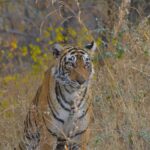
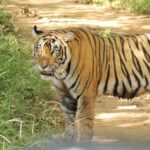
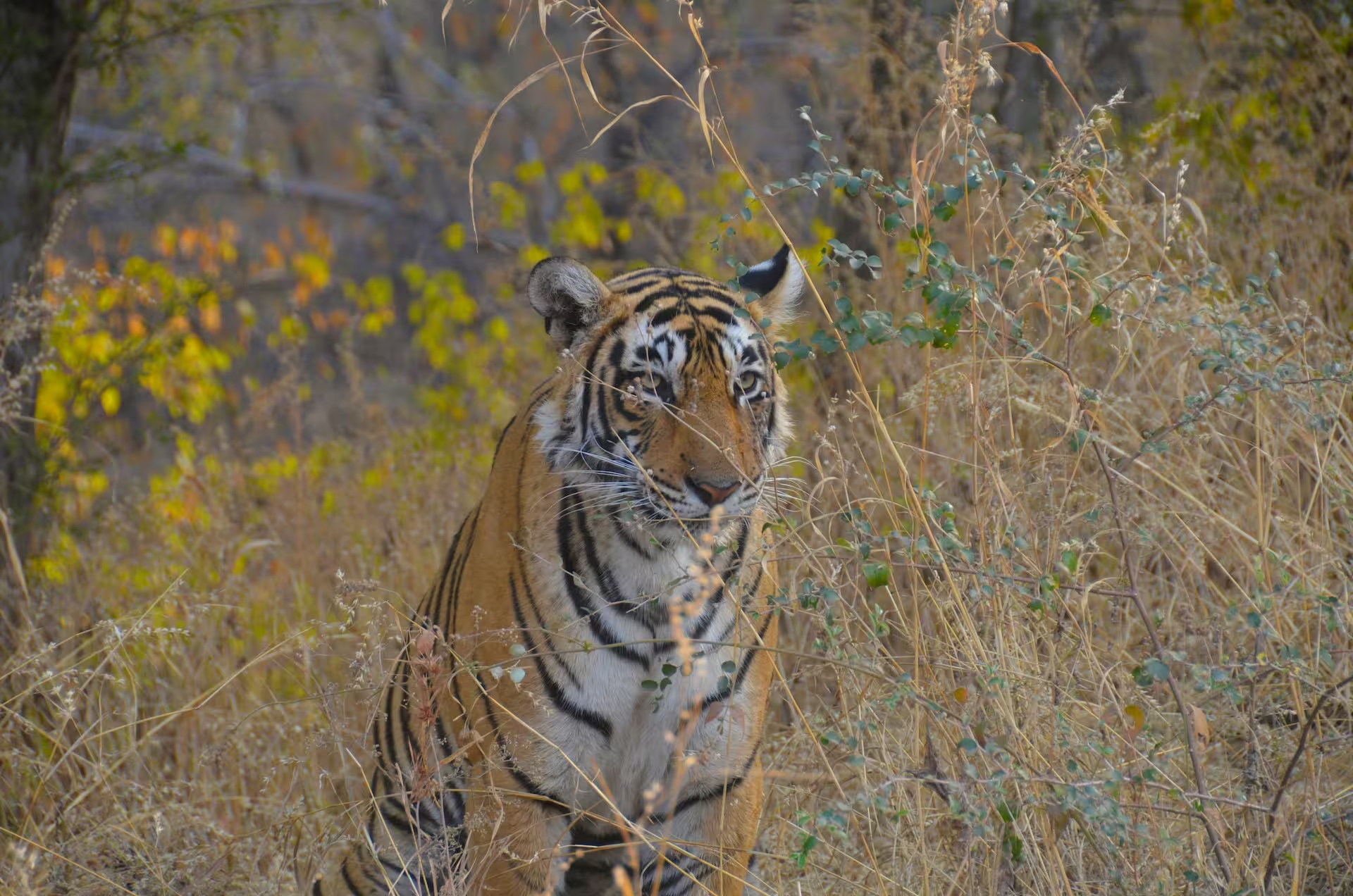
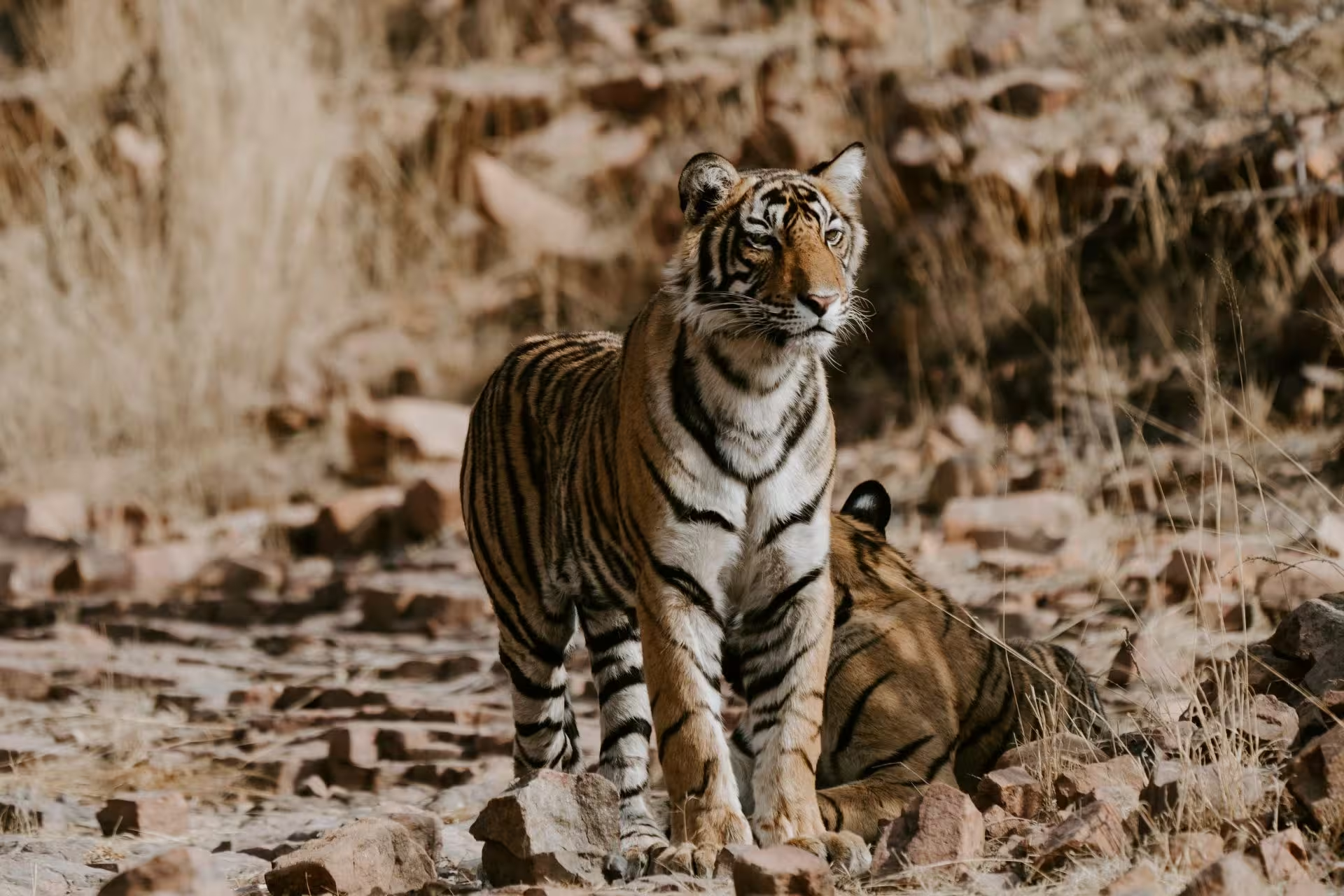
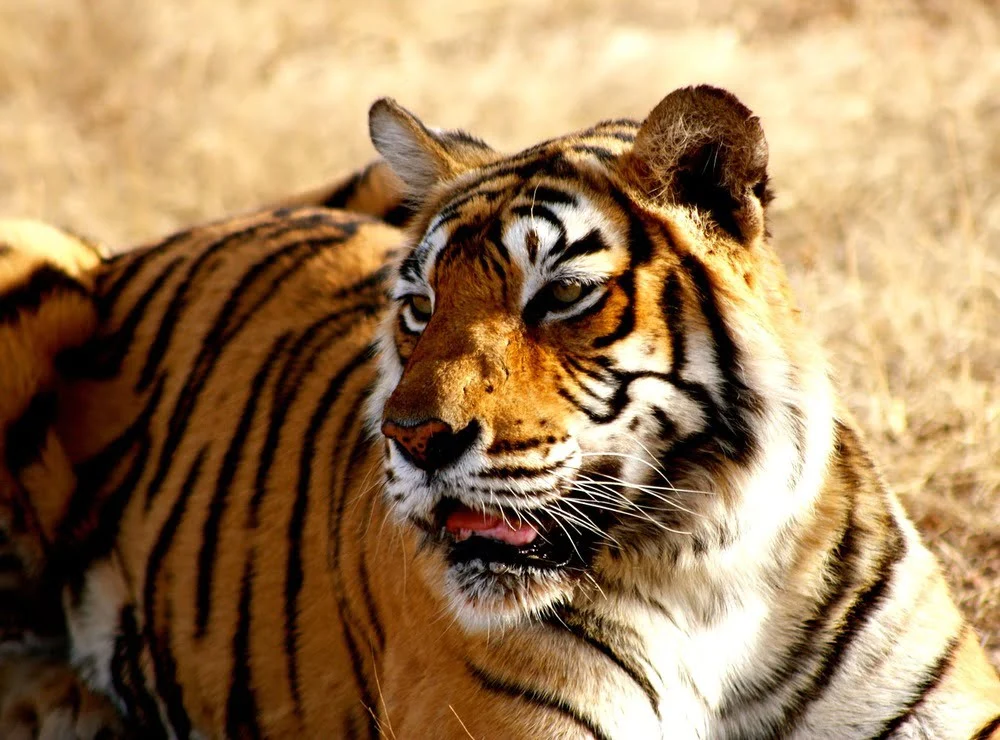
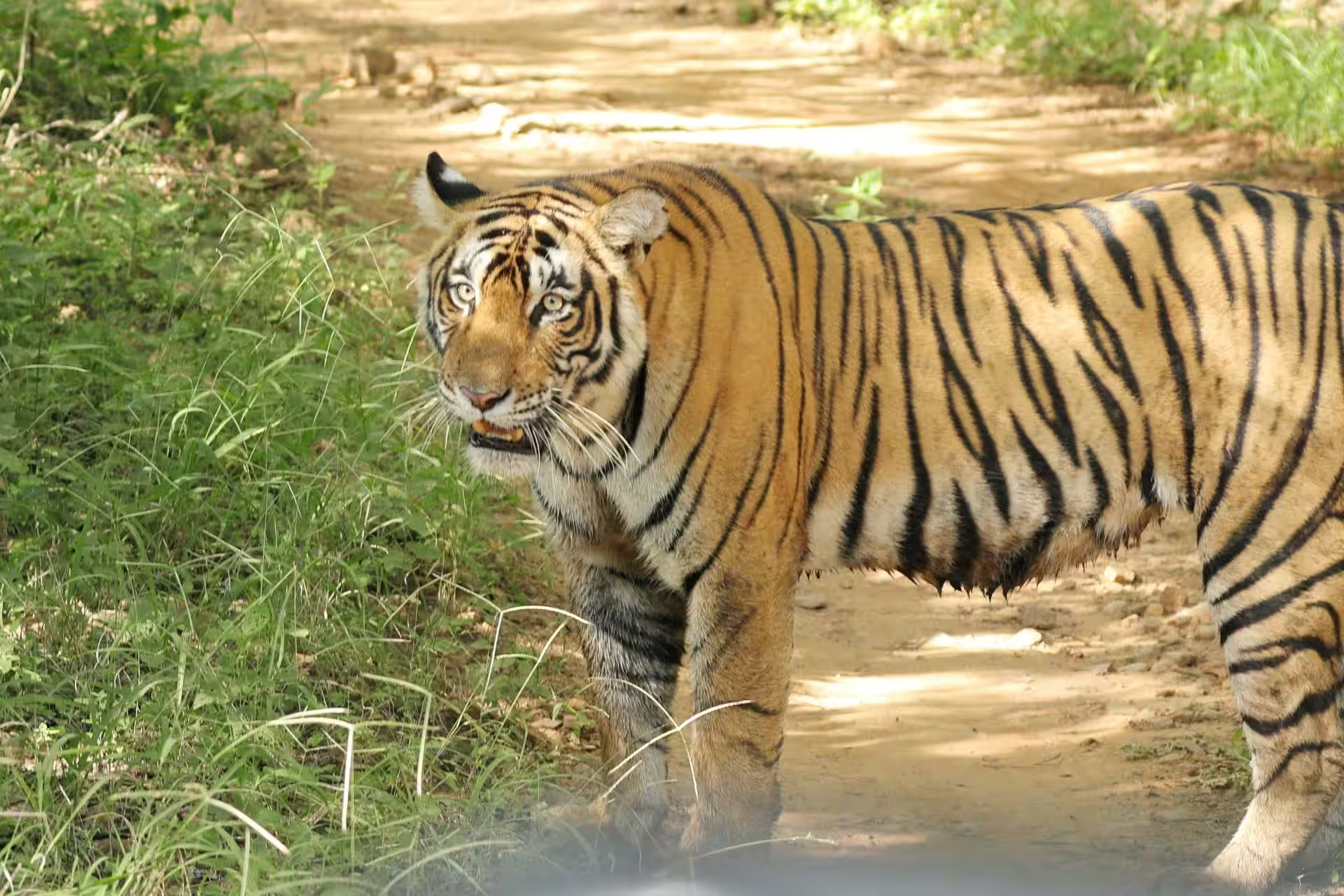
Tigers visit these water bodies regularly, especially in the late morning hours as temperatures climb. Because vegetation dries and thins across the park, visibility also improves. Movement that would be hidden behind dense foliage in other seasons becomes visible from a distance, which changes the quality of sightings even when animals are not particularly close.
Summer does not guarantee encounters, but the combination of reduced water sources, thinner foliage, and more predictable animal movement genuinely improves your odds compared to seasons when wildlife is spread more freely across the landscape.
The Landscape Looks Different
The park turns dry and rugged in a way that photographs well even when animals are scarce.
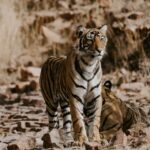
Dhok trees shed their leaves. Grass becomes pale and low. Rocky hills stand out sharply against open sky. It may look harsh compared to the green season, but this terrain creates dramatic photography conditions — dust trails behind moving animals, open sightlines across valleys, and clear backgrounds that monsoon and winter simply cannot offer in the same way.
Animal Behaviour Changes
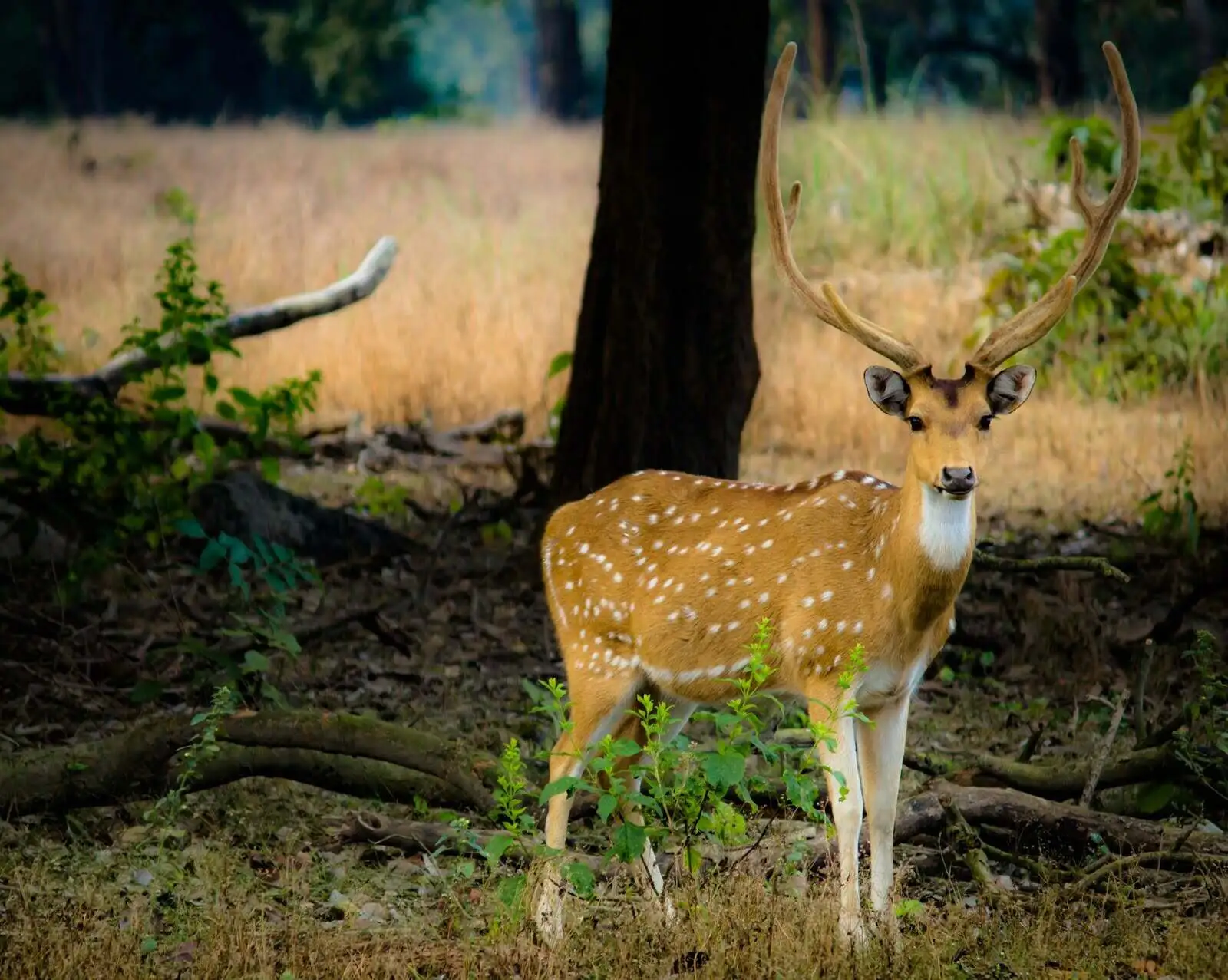
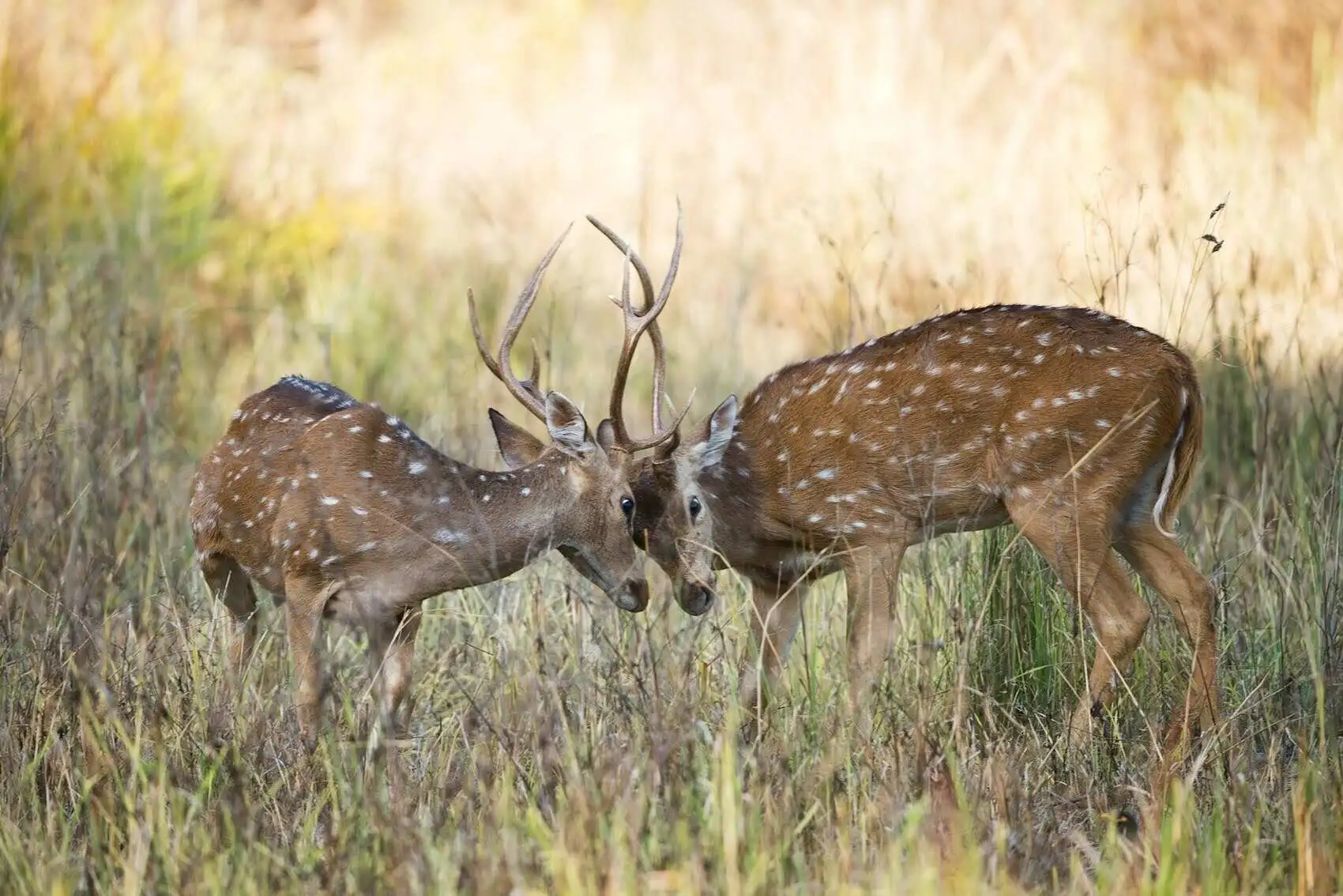
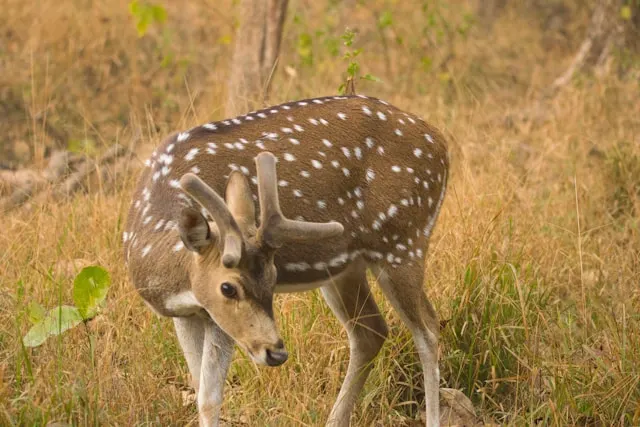
Animals move early and rest through the worst of the heat. Tigers and leopards are often found near water or resting in shade during peak afternoon hours. Deer and langurs gather close to moisture sources, which concentrates prey animals in predictable locations and sometimes brings predators close behind them.
Tigers sitting partially submerged in water to cool down is one of the more memorable sights the summer season produces. Sloth bears appear near rocky shaded areas. Raptors use the rising thermals of late morning to soar across open terrain in numbers that other seasons do not match. The behaviour shift is significant enough that experienced guides read the park differently in summer than they do the rest of the year.
Safari Timings Matter
Morning drives are more productive across most of summer. The cooler air keeps animals active longer, and the light is better for photography.
Afternoon drives near permanent water bodies can still be rewarding, particularly if tigers have been sighted cooling off in a lake earlier in the day. But if your priority is maximising sighting time, mornings are the stronger choice.
Planning at least two or three safaris gives you a realistic spread across different conditions. Summer wildlife movement is zone-dependent enough that a single drive may not represent what the park is offering that week.
Zone Selection Becomes Important
Not all zones perform equally in summer. Core zones 2, 3, and 4 historically cover the main lake areas of the park, including Padam Talao and Rajbagh Talao. Because these permanent water bodies hold water longer into the dry season, they continue attracting wildlife when smaller water sources elsewhere have dried up completely.
That said, tiger movement is never fixed. Current patterns always matter more than historical zone reputations, and a good guide or booking operator will know which areas have been active in the days before your visit.
Crowd Levels
April still sees moderate tourist flow as the season transitions. By May and into early June, visitor numbers drop compared to the peak winter months. Fewer vehicles in the park means less noise, less competition at sighting spots, and sometimes a noticeably better overall experience even if the weather is more demanding.
Is Summer a Good Time for First-Timers?
It depends on what you are looking for.
If you are comfortable with heat and your primary goal is tiger sightings, summer is genuinely one of the stronger times to visit. The conditions that make it uncomfortable for casual tourists are the same conditions that make wildlife more visible and more predictable.
If pleasant weather and a relaxed pace matter more to you than maximising encounter probability, winter will suit you better. Summer safaris require focus and some tolerance for physical discomfort. You are there for wildlife movement, not weather comfort, and that difference in mindset shapes the whole experience.
Final Thoughts
A summer safari in Ranthambore is raw and unfiltered. The heat is real, the landscape is stark, and the park asks something of you that comfortable seasons do not.
But visibility is at its best, wildlife gathers where you can find it, and the sightings that happen in this season tend to be the kind that stay with people. Prepare well, choose your zones carefully, and go in the morning. Summer in Ranthambore rewards the travellers who show up ready for it.