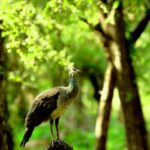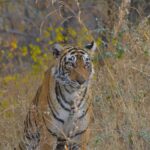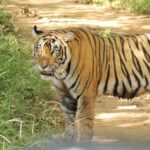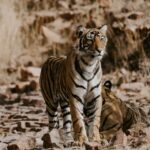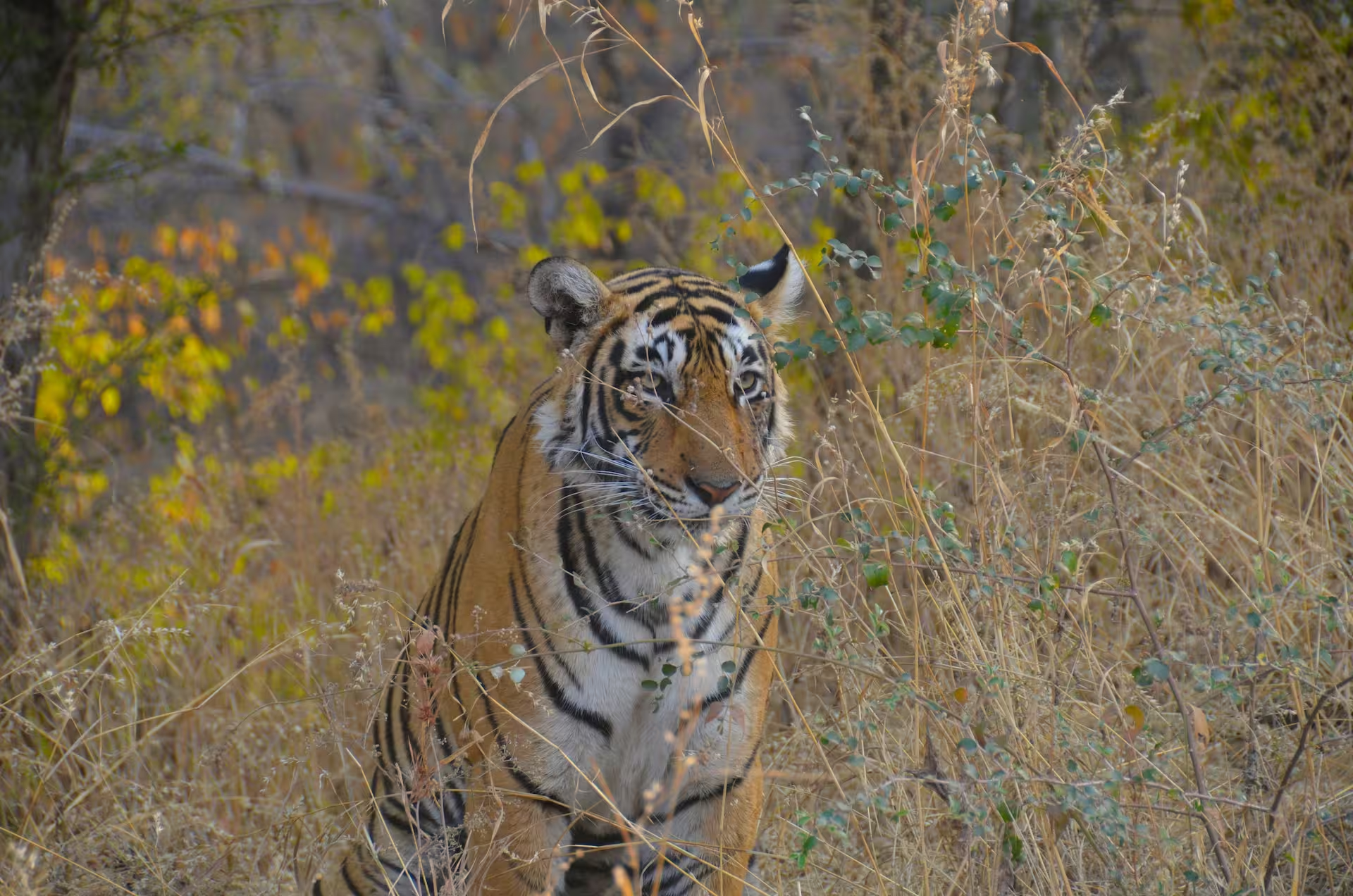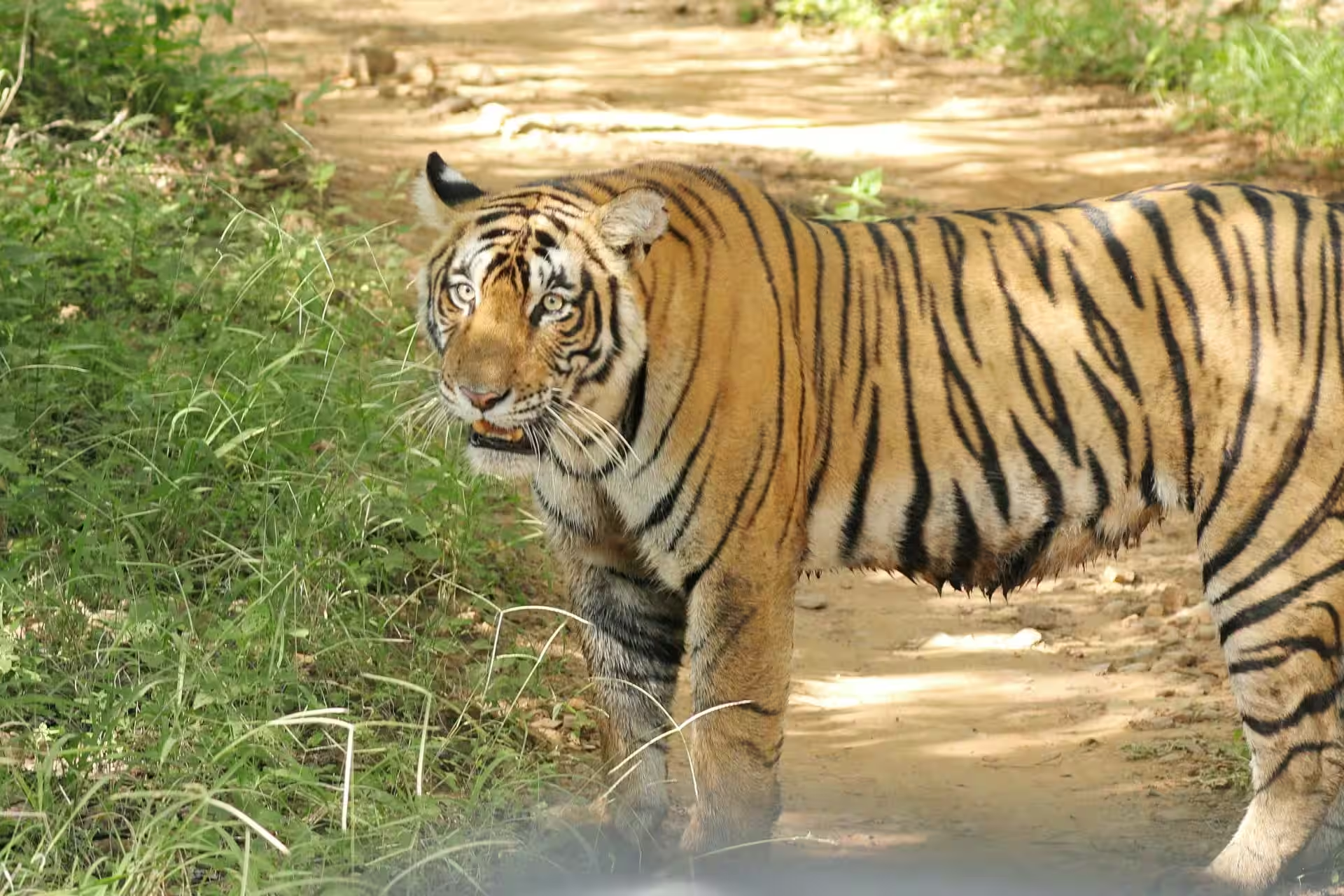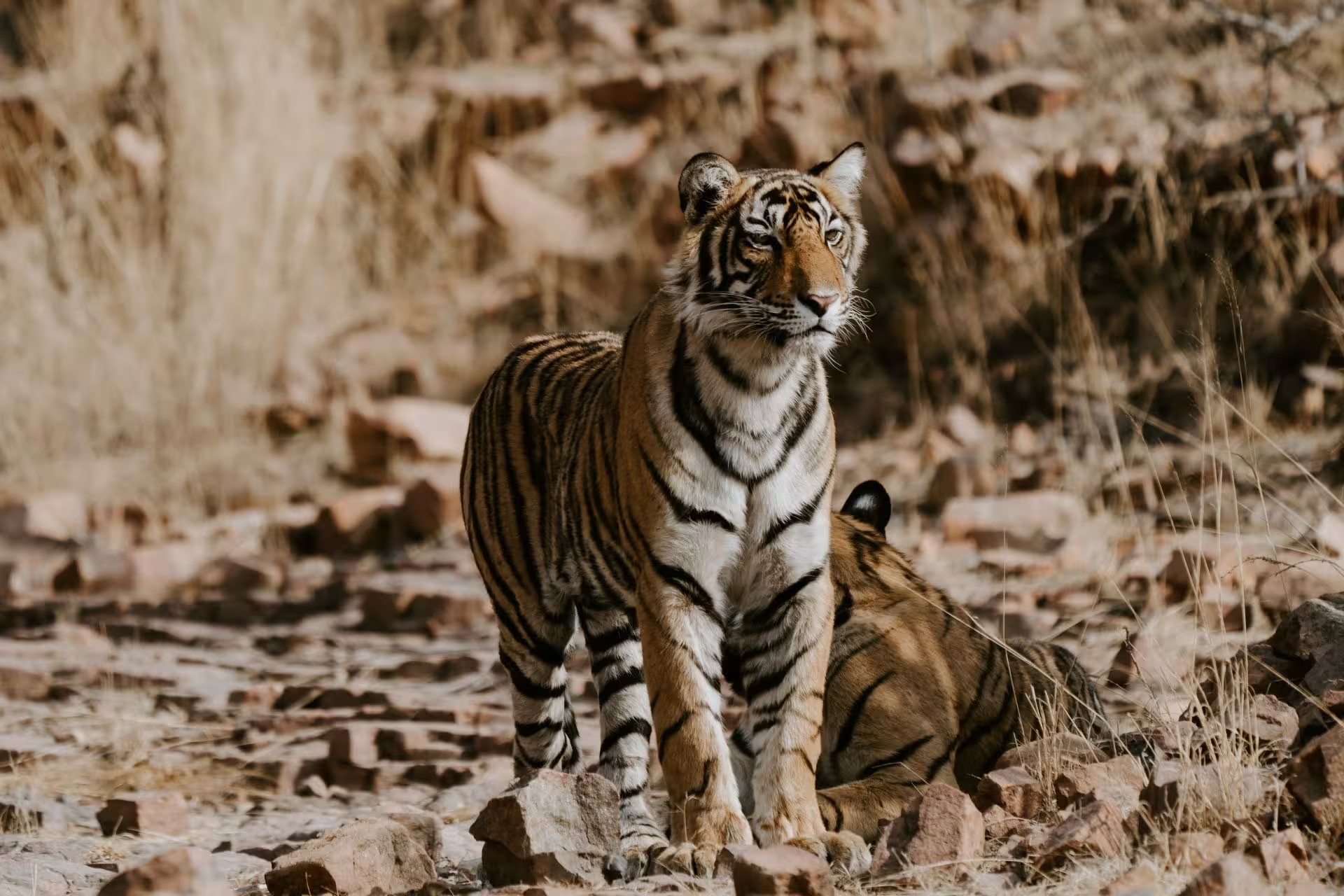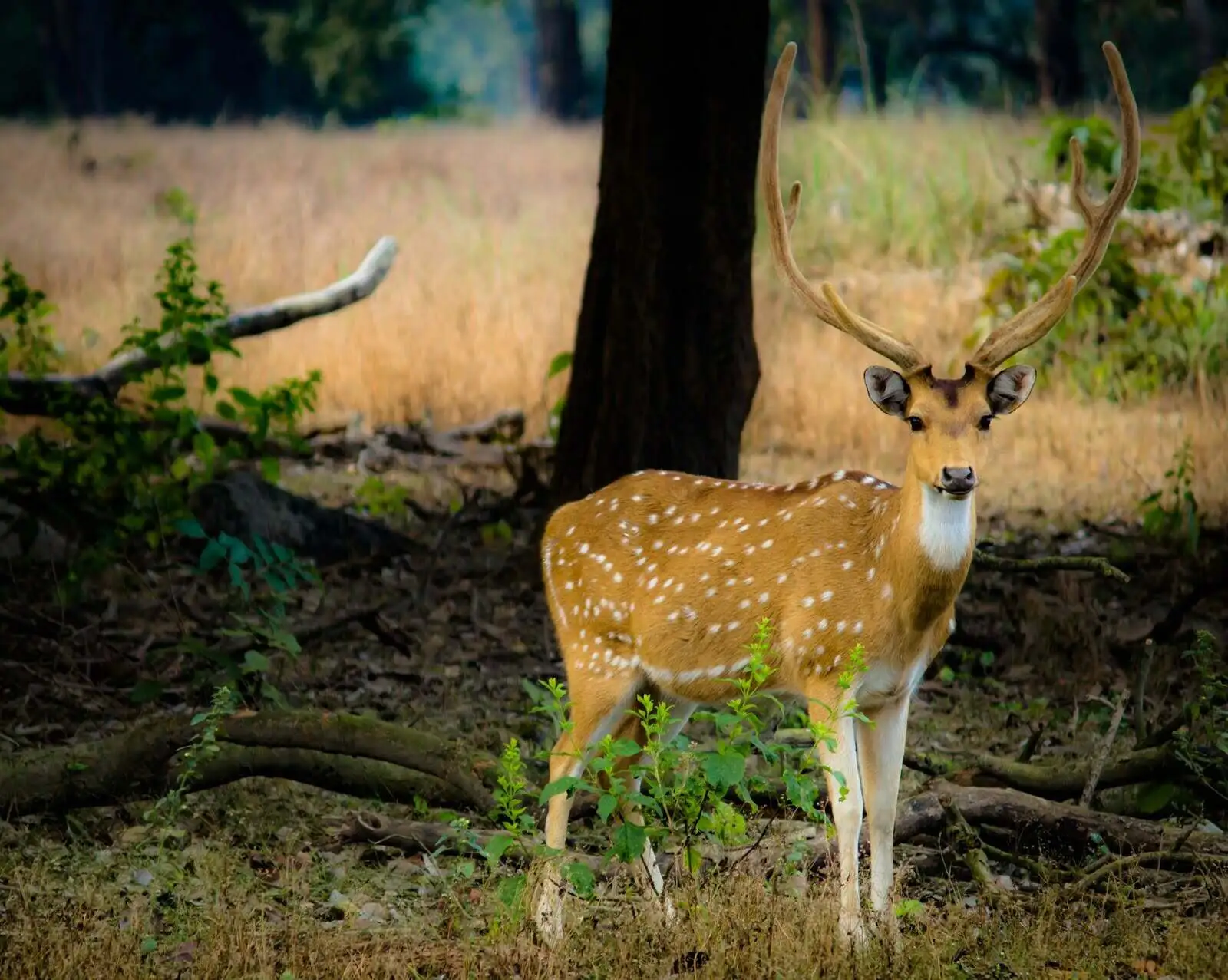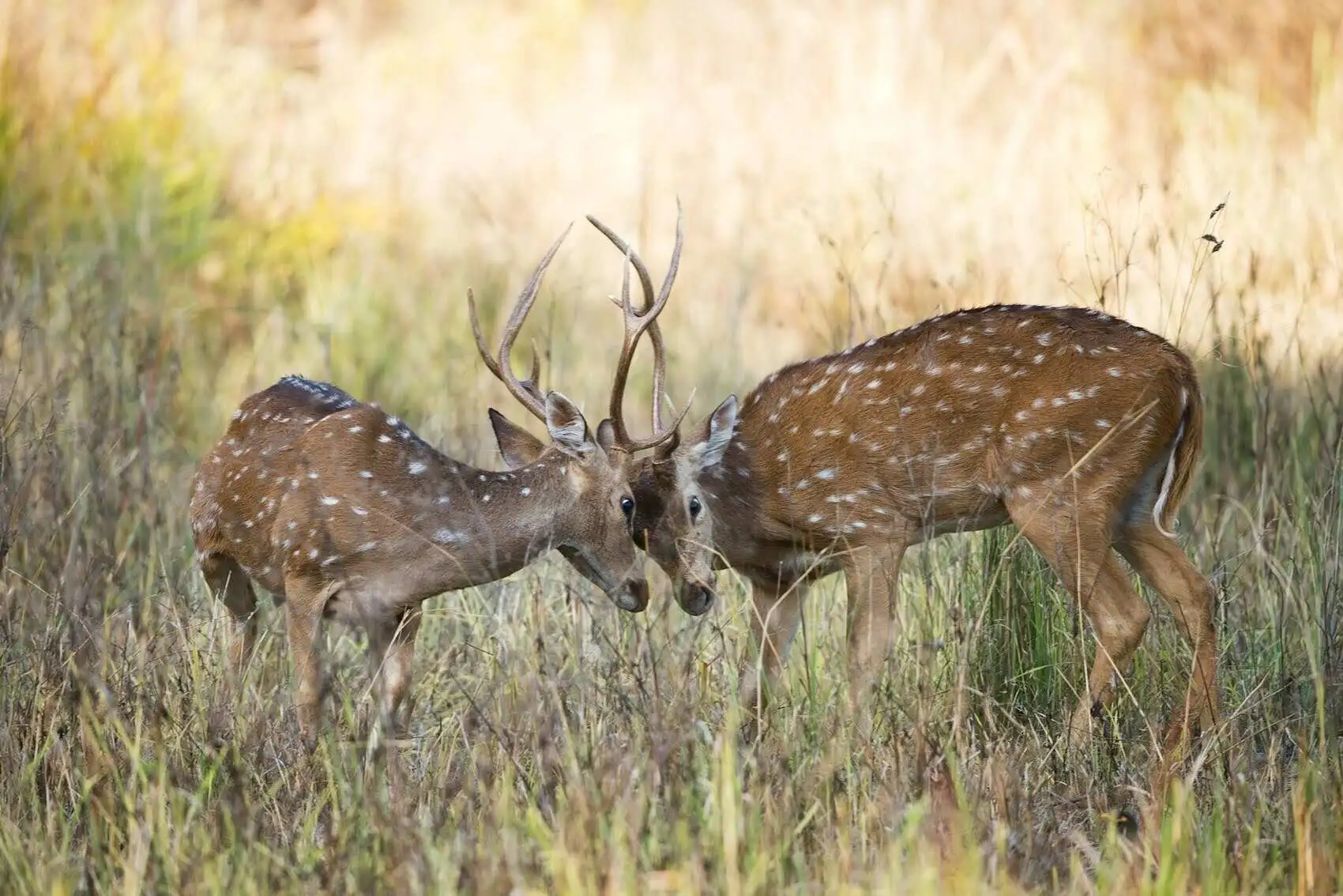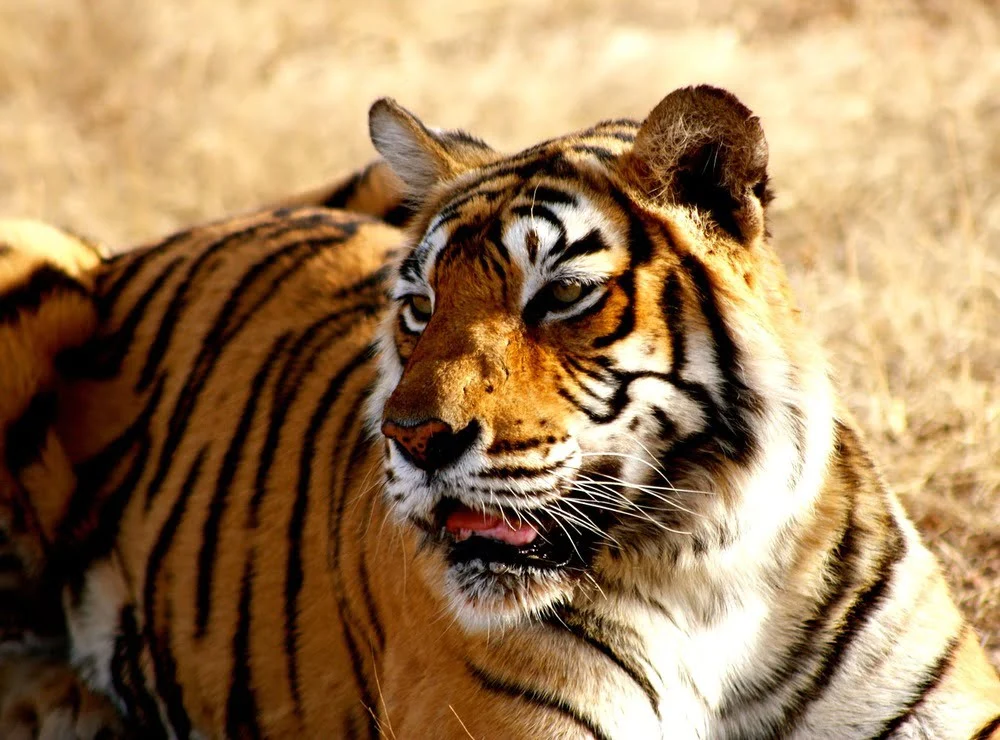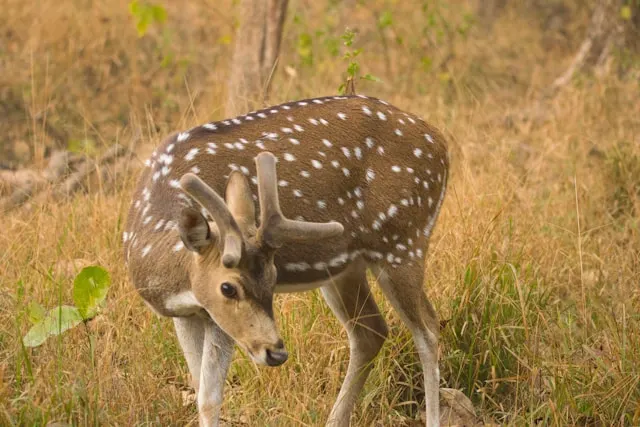
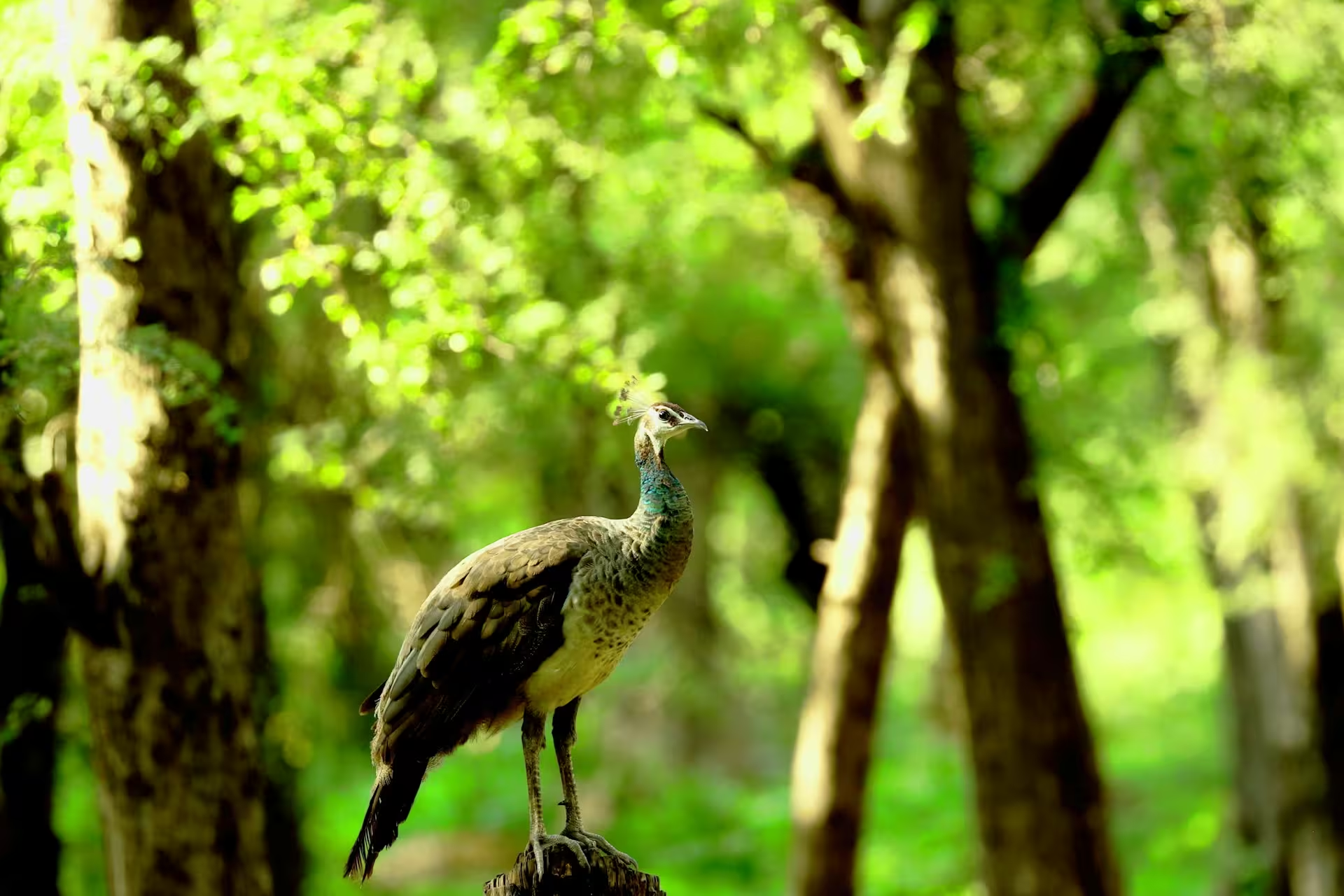
Winter is the most popular season in Ranthambore. The weather is pleasant. The forest carries a soft golden tone. Mornings feel crisp rather than harsh.
If you are planning a safari in Ranthambore National Park between October and March, here is what you should realistically expect.
The Weather Is Comfortable
Daytime temperatures usually range between 10°C and 25°C from November to February. Early mornings can feel genuinely cold in an open gypsy, especially in December and January when temperatures dip before sunrise.
Layered clothing works best - a light thermal or jacket for the morning drive, something lighter underneath for when the sun is up. Unlike summer, the air feels dry and manageable throughout. You can focus on the park rather than managing heat fatigue, which is one of the main reasons winter draws first-time visitors more than any other season.
The Forest Has Moderate Visibility
Winter sits between monsoon freshness and summer dryness, and visibility reflects that middle ground.
Vegetation is not as thick as it is immediately after the rains, but it is not as sparse as peak summer either. Grass remains standing in many parts of the park, particularly around meadows and lake edges. Sightings can happen at good distances, but you will not get the long open views that summer provides when the landscape strips back completely.
For most visitors this balance works well. The park looks alive and photogenic without the dense cover that makes monsoon season difficult for spotting animals.
Tiger Movement Is Less Predictable Than Summer
Water is more evenly distributed across the park in winter. Because animals are not forced toward shrinking water sources, their movement spreads out rather than concentrating in a few predictable locations.
Tigers remain active and often move for longer periods than they do in summer, because cooler temperatures allow it. Early morning and late afternoon are still the most productive windows. But encounters depend more on tracking fresh pugmarks, reading alarm calls from deer and langurs, and understanding current movement patterns rather than simply positioning near a waterhole and waiting.
Winter offers strong sighting potential. It just requires a different kind of patience and a guide who knows how to read the forest rather than rely on predictable animal behaviour.
Morning Safaris Feel Magical
Mist often hangs lightly over lakes like Padam Talao and Rajbagh Talao in the early hours of a winter morning. Light filters softly through dhok trees. Deer calls carry clearly in cold air. Bird activity peaks before the temperature rises.
The first hour of a winter drive in Ranthambore is one of the more atmospheric safari experiences available in India. Even on mornings when tigers do not appear, the park feels alive in a way that is difficult to describe until you have experienced it. For photographers, winter morning light is consistently rewarding.
Birdlife Improves Significantly
Winter brings migratory species into the park. Water bodies attract ducks, painted storks, and other seasonal visitors that are simply not present through the rest of the year. Raptors remain active across open terrain, and overall bird diversity is noticeably higher compared to summer.
On days when big cat sightings are slow, the birdlife keeps the safari genuinely engaging rather than frustrating. For travellers who appreciate wildlife beyond tigers, winter adds a dimension that summer does not offer in the same way.
Crowd Levels Are Higher
December and January are peak months, and the difference in vehicle numbers compared to summer is noticeable. Popular sighting zones fill up quickly, and arrival at busy spots can mean waiting in a queue of gypsies rather than having a private moment with an animal.
Advance booking becomes essential during holiday periods, particularly around Christmas and New Year when demand spikes. Zones closer to the core lake areas attract the most traffic. If a quieter experience matters to you, booking earlier and being flexible with zone allocation helps considerably.
Zone Selection Still Matters
Core zones 2, 3, and 4 remain popular in winter for the same reason they are productive in summer - they cover the main lake areas where animal activity tends to concentrate. But because water is available more broadly across the park in winter, buffer zones and outer areas also produce strong sightings in ways they cannot during the dry season.
A good booking operator will advise on current tiger movement before you arrive. Winter patterns shift more week to week than summer patterns do, so recent field information is worth more than historical zone reputations during this season.
Both Safari Timings Work Well
Since temperatures stay moderate through most of the day in winter, animals do not shut down due to heat the way they do in summer. Afternoon drives can be just as productive as morning ones, particularly in quieter zones where tiger movement continues through the cooler hours.
If you are staying two nights, planning both a morning and an afternoon safari gives a well-rounded experience of how the park changes across different parts of the day.
Is Winter Good for First-Time Visitors?
Yes, and for straightforward reasons.
The weather demands nothing of you. The forest looks its best. Photography light is consistent and forgiving. Bird diversity adds interest on slower game drive days. And the overall pace of a winter safari feels accessible rather than demanding in the way a peak summer drive can be.
It may not concentrate wildlife the way summer does, but for someone experiencing Ranthambore for the first time, winter offers a complete and comfortable introduction to the park without asking you to earn it through heat and endurance.
Final Thoughts
A winter safari in Ranthambore is balanced, beautiful, and accessible in a way that no other season quite matches.
You trade some of summer's concentrated waterhole drama for softer light, cooler drives, migratory birds, and a forest that looks genuinely alive. For most people visiting for the first time, that is a trade worth making. And for those who have already done summer, winter shows you a completely different version of the same park.